
↡ English Below ↡
Sogni cosmici e orrori silenziosi: viaggiare nei mondi di Lovecraft
La paura dell’ignoto è l’emozione più antica dell’animo umano, un fremito primordiale che ci ricorda quanto siamo piccoli davanti all’universo. Le parole di Howard Phillips Lovecraft, come lame di luce nell’oscurità, ci costringono a guardare oltre ciò che possiamo comprendere o controllare, conducendoci in luoghi dove sogni ancestrali e orrori cosmici si fondono in un’unica vertigine. Leggere Lovecraft significa lasciarsi trascinare verso l’abisso, fino a percepire, nei sussulti e nelle tenebre, l’eco dei nostri sogni più profondi, perché il confine tra realtà e illusione è più sottile di quanto crediamo.
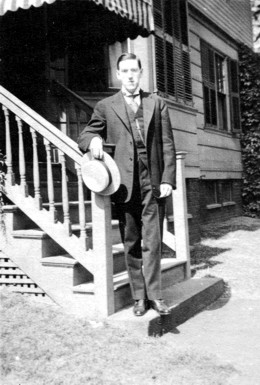
Lovecraft cercava crepe, turbolenze, fratture nell’ordine apparente del mondo per mostrarci l’abisso insondabile in cui siamo sospesi, impotenti. Il suo horror non urla: sussurra. Non ci spaventa con l’oscurità, ma con l’idea che la luce stessa sia solo un’illusione temporanea. Nei suoi racconti, la paura è un silenzioso collasso interiore che arriva quando realizziamo che l’universo non ha occhi, né memoria, né pietà. La nostra esistenza è una piccola scintilla di coscienza destinata a perdersi nell’infinito.
«Sono talmente stanco dell’umanità e del mondo che nulla suscita la mia attenzione (…) se non tratta di innominabili orrori provenienti da altri spazi.»
Nato nel 1890 a Providence, Lovecraft fu fin da bambino avvolto da un’atmosfera di inquietudine: la morte precoce del padre, la madre iperprotettiva, i sintomi di psicosi, le prime letture gotiche e l’inizio degli incubi. Le sue radici affondarono presto nella notte. Lovecraft inizia a scrivere da ragazzo, chiuso nella sua casa estremamente silenziosa, per sfuggire a un mondo reale troppo stretto e crudele; si rifugia altrove, prima nella poesia, poi nei racconti, esplorando il confine tra sogno e incubo, che presto sarebbe diventata la sua firma.
I suoi primi testi non parlano di mostri, ma di paesaggi mentali, visioni antiche, città sognate che odorano di muffa e stelle spente. Le sue idee arrivano dal subconscio, dai suoi incubi notturni e dall’idea soffocante che l’universo sia troppo grande per appartenerci e troppo potente per considerarci. Scrive per esorcizzare, ma anche per ricollegarsi con qualcosa di più vasto e spaventoso.
”Non serve credere nei mostri per sentire la loro voce: basta restare svegli, nel punto esatto in cui finisce il sogno”
Molte delle sue storie nascono dalla sua esperienza onirica. L’autore annota tutti i suoi sogni in un Commonplace Book, un quaderno nel quale racchiude tutto ciò che gli passa per la testa; molto più di un diario, era una porta per il suo universo mentale, un laboratorio di immagini, atmosfere e ossessioni. Creature che dormono sotto oceani immensi, un sogno che attraversa il tempo e lo spazio, il caos cieco al centro dell’universo, che vibra senza coscienza, senza scopo. Lovecraft ha inventato un cosmo alieno, una danza di presenze insondabili e distanti, così lontane dalla nostra umanità da farci sentire fragili come una candela nel vento.
Una cosa che molti non sanno è che Lovecraft non scriveva solo di mostri e abissi urlati. C’è una mappa invisibile che si snoda nella raccolta Dream Cycle, una serie di racconti dove i protagonisti si muovono in un mondo parallelo accessibile solo in dormiveglia, fatto di città impossibili. È la perfetta rappresentazione della geografia dell’onirico: mappe mentali che non esistono in nessun atlante, in cui si fondono fantasia, orrore e metafisica. Dream Cycle rappresenta la parte più poetica e visionaria di Lovecraft, meno spaventosa ma più legato alla sua sua intima sensibilità, nella nostalgia di un mondo ideale.
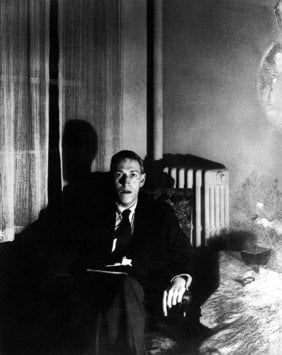
Il Necronomicon non esiste, ma lo abbiamo letto tutti.
Libro impossibile, oggetto maledetto, miraggio cartaceo: il Necronomicon è uno pseudobiblion, ovvero un libro che non è mai stato scritto, eppure appare ovunque. Nasce dalla mente di Lovecraft, come semplice trucco narrativo. Un tomo antico e proibito per dare spessore e terrore ai suoi racconti. Ma qualcosa è poi cambiato: altri scrittori lo hanno adottato, moltiplicandone le apparizioni come un’eco, fino a confondere i confini tra invenzione e realtà.
Il Necronomicon di Lovecraft non è un libro vero, ma un’idea, un frammento di incanto intriso di paura e mistero. È nato dalle sue parole, un tomo immaginario che abitava solo l’ombra delle sue storie. Eppure, nel corso del tempo, quel miraggio ha iniziato un libro reale, scritto da mani che non sono mai esistite, firmato da un nome che è solo una leggenda. È un fantasma di carta, un’eco che continua a risuonare, una visione che prende forma ogni volta che qualcuno lo cerca nel silenzio delle notti più profonde. Un libro che non si trova mai, perché è sempre stato nascosto tra le pieghe dell’immaginazione.
Lovecraft fu costretto più volte a chiarire che il Necronomicon era pura invenzione, ma il fascino oscuro dell’idea aveva ormai superato i confini della narrativa: il libro immaginario si era insinuato nel mondo reale, trasformandosi in mito. Questo fenomeno ci mostra un lato sorprendente dell’autore: la capacità di creare mondi così convincenti da “sconfinare” nella vita concreta, facendo tremare il confine tra immaginario e realtà.
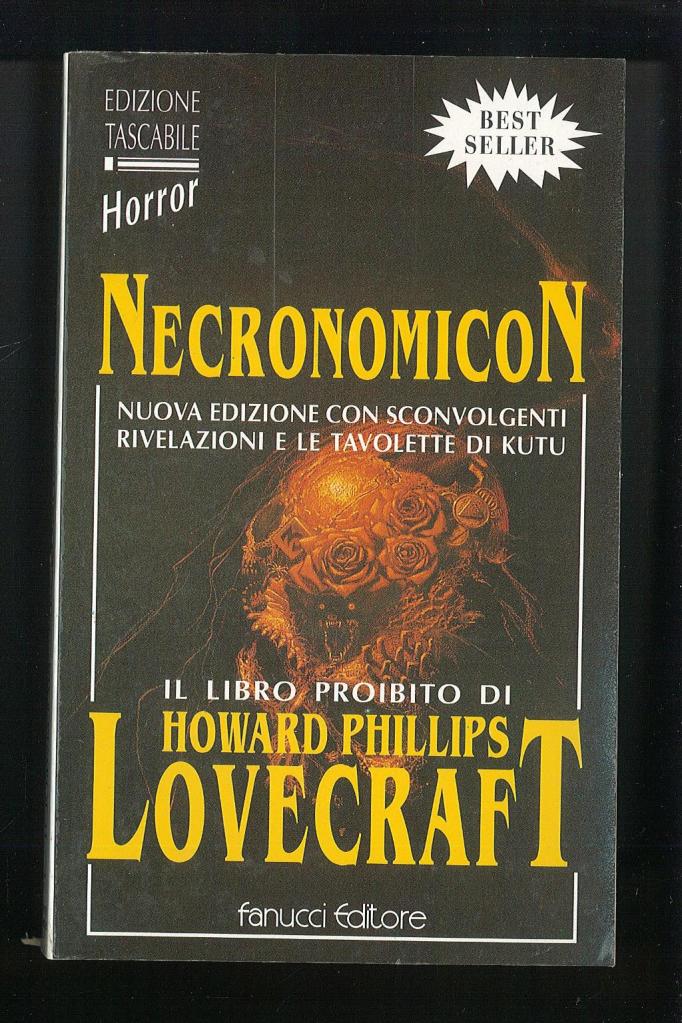
Il terrore cosmico
Il vero orrore, per Lovecraft, non risiede in mostri tentacolari o in rituali sussurrati, ma nel vuoto e nel silenzio siderale dell’universo che ci ignora. Narratore dell’orrore e filosofo del terrore, il cerchio della sua letteratura ruota attorno al cosmicismo, quella sensazione di vertigine che ci fa percepire l’insignificanza dell’essere umano, in balia dell’infinito e indifferente universo. Non siamo il centro di nulla, non c’è un disegno, né di bene, né di male; solo entità distaccate, antiche e immense, che ci sfiorano così come si calpesta una formica per sbaglio. La realtà è una fragile illusione, pronta a sgretolarsi sotto il peso dell’abisso. La nostra esistenza, fragile di fronte a forze cosmiche sconosciute, è un itinerario senza appigli verso il vuoto.
Immaginate un bambino smarrito in un bosco: ogni fruscio tra gli alberi, ogni sussurro del vento diventa una minaccia, ogni ombra assume la forma di creature misteriose. La sua mente, incapace di decifrare la realtà, trasforma l’ignoto in mostri e fantasmi, istinti primordiali che prendono corpo per sopravvivere. Lovecraft coglie perfettamente questo legame tra paura e immaginazione, e scrive:
“I bambini avranno sempre paura del buio; gli uomini, sensibili alle eredità profonde dello spirito, tremeranno davanti all’idea di universi nascosti e incomprensibili, popolati da forme di vita strane, pulsanti oltre il vortice celeste o minacciose alle porte del nostro mondo, abitando dimensioni che solo i morti o i folli possono intravedere.”
Così nasce l’orrore cosmico: un terrore che cresce esponenzialmente quando ciò che percepiamo sfugge completamente alla nostra comprensione. La mente, privata di punti di riferimento, comincia a tremare e a cercare spiegazioni nelle forme più oscure e improbabili. Non sorprende quindi che l’incertezza diventi compagna del pericolo, e che un universo ignoto si trasformi rapidamente in un mondo ricco di minacce invisibili e presagi inquietanti.
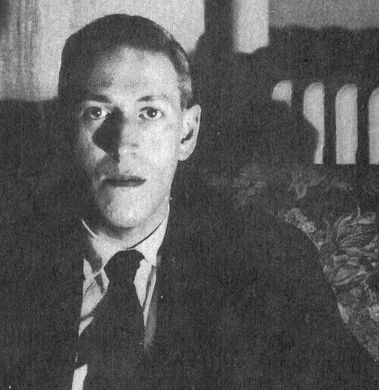
Lovecraft ci insegna che l’orrore vero non nasce dagli oggetti in sé, ma dall’impossibilità di interpretarli, dalla sensazione di essere piccoli, esposti e impotenti davanti a un cosmo vasto e indifferente. È questo il nucleo della letteratura del terrore cosmico: un invito a sentire, più che a vedere, la vertigine dell’inconoscibile.
Lovecraft non è stato solo un narratore, ma un viaggiatore di spazi sconosciuti e un creatore di mondi sospesi dietro il velo della quotidianità. La sua scrittura è come una luce che si accende piano piano: un invito a guardare dentro di noi. Lovecraft ci ricorda che quel confine va attraversato per scoprire qualcosa di nuovo e profondo. Forse è proprio questo il vero incanto delle sue storie: abbracciare l’ambiguità, accogliere il dubbio e lasciar fiorire piccole scintille di consapevolezza. Luci tremolanti nel crepuscolo del conosciuto.
Cosmic Dreams and Silent Horrors: Traveling to Lovecraft’s Worlds
Fear of the unknown is the oldest emotion of the human soul, a primordial thrill that reminds us how small we are before the universe. Howard Phillips Lovecraft’s words, like blades of light in darkness, force us to look beyond what we can understand or control, leading us to places where ancestral dreams and cosmic horrors merge into a single vertigo. Reading Lovecraft means letting ourselves be dragged into the abyss, until we perceive, in the jolts and darkness, the echo of our deepest dreams, because the boundary between reality and illusion is thinner than we believe.
Lovecraft sought cracks, turbulence, fractures in the apparent order of the world to show us the unfathomable abyss into which we are suspended, powerless. His horror doesn’t scream: it whispers. It does not frighten us with darkness, but with the idea that light itself is only a temporary illusion. In his stories, fear is a silent inner collapse that comes when we realize that the universe has no eyes, no memory, no pity. Our existence is a small spark of consciousness destined to be lost in infinity.
“I am so beastly tired of mankind and the world that nothing can take hold of my interest unless it contains a couple of murders, and at least one genuine ghost or monster.”
Born in 1890 in Providence, Lovecraft was shrouded in an atmosphere of unease from an early age: the early death of his father, his overprotective mother, symptoms of psychosis, his first gothic readings, and the onset of nightmares. Its roots sank early into the night. Lovecraft began writing as a boy, locked in his extremely quiet home, to escape a real world too narrow and cruel; he took refuge elsewhere, first in poetry, then in short stories, exploring the boundary between dream and nightmare, which would soon become his signature.
His early lyrics are not about monsters, but about mental landscapes, ancient visions, dreamy cities that smell of mold, and dull stars. His ideas come from the subconscious, his nightmares, and the suffocating idea that the universe is too big to belong to us and too powerful to consider us. He writes to exorcise, but also to reconnect with something larger and more frightening.
”You don’t have to believe in monsters to hear their voice: just stay awake, at the exact point where the dream ends”
Many of his stories stem from his dream experience. The author records all his dreams in a Commonplace Book, a notebook containing everything that comes to mind; much more than a diary, it was a gateway to his mental universe, a laboratory of images, atmospheres, and obsessions. Creatures sleeping under immense oceans, a dream that spans time and space, the blind chaos at the center of the universe, vibrating without consciousness, without purpose. Lovecraft invented an alien cosmos, a dance of unfathomable and distant presences, so far removed from our humanity that we feel as fragile as a candle in the wind.
One thing many don’t know is that Lovecraft didn’t just write about monsters and screaming depths. There is an invisible map that unfolds in the collection Dream Cycle, a series of stories where the protagonists move through a parallel world accessible only in half-sleep, made up of impossible cities. It is the perfect representation of the geography of the dreamlike: mind maps that do not exist in any atlas, in which fantasy, horror and metaphysics merge. Dream Cycle represents Lovecraft’s most poetic and visionary part, less frightening but more tied to his intimate sensitivity, in nostalgia for an ideal world.
The Necronomicon doesn’t exist, but we’ve all read it
Impossible book, cursed object, paper mirage: the Necronomicon is a pseudobiblion, that is, a book that has never been written, yet appears everywhere. It comes from Lovecraft’s mind, as a simple narrative trick. An ancient and forbidden tome to give depth and terror to his stories. But something then changed: other writers adopted it, multiplying its appearances like an echo, until the boundaries between invention and reality were blurred.
Lovecraft’s Necronomicon is not a real book, but an idea, a fragment of enchantment steeped in fear and mystery. It was born from his words, an imaginary tome that inhabited only the shadow of his stories. Yet, over time, that mirage began a real book, written by hands that never existed, signed by a name that is only a legend. It is a paper ghost, an echo that continues to resonate, a vision that takes shape every time someone searches for it in the silence of the deepest nights. A book that is never found, because it has always been hidden in the folds of the imagination.
Lovecraft was forced several times to clarify that the Necronomicon was pure invention, but the dark allure of the idea had by now transcended the confines of fiction: the fictional book had insinuated itself into the real world, transforming into myth. This phenomenon shows us a surprising side of the author: the ability to create worlds so convincing that they “cross over” into concrete life, making the boundary between imagination and reality tremble.
Cosmic terror
The real horror, for Lovecraft, lies not in tentacled monsters or whispered rituals, but in the emptiness and sidereal silence of the universe that ignores us. A narrator of horror and philosopher of terror, the circle of his literature revolves around cosmicism, that feeling of vertigo that makes us perceive the insignificance of the human being, at the mercy of the infinite and indifferent universe. We are not the center of anything, there is no plan, neither good nor evil; only detached entities, ancient and immense, that touch us just as an ant is accidentally trampled upon. Reality is a fragile illusion, ready to crumble under the weight of the abyss. Our existence, fragile in the face of unknown cosmic forces, is a path without holds towards the void.
Imagine a child lost in a forest: every rustle in the trees, every whisper of the wind becomes a threat, every shadow takes the form of mysterious creatures. His mind, unable to decipher reality, transforms the unknown into monsters and ghosts, primal instincts that take shape to survive. Lovecraft perfectly captures this connection between fear and imagination, and writes:
“Children will always be afraid of the dark; men, sensitive to the profound legacies of the spirit, will tremble at the idea of hidden and incomprehensible universes, populated by strange life forms, pulsating beyond the celestial vortex or threatening at the gates of our world, inhabiting dimensions that only the dead or mad can glimpse.”
Thus cosmic horror is born: a terror that grows exponentially when what we perceive completely eludes our understanding. The mind, deprived of points of reference, begins to tremble and seek explanations in the darkest and most unlikely forms. It is therefore not surprising that uncertainty becomes the companion of danger, and that an unknown universe quickly transforms into a world rich in invisible threats and disturbing omens.
Lovecraft teaches us that true horror does not arise from objects themselves, but from the impossibility of interpreting them, from the feeling of being small, exposed, and helpless before a vast and indifferent cosmos. This is the core of cosmic terror literature: an invitation to feel, rather than see, the vertigo of the unknowable.
Lovecraft was not only a storyteller, but a traveler of unknown spaces and a creator of worlds suspended behind the veil of everyday life. His writing is like a light that slowly lights up: an invitation to look within ourselves. Lovecraft reminds us that that border must be crossed to discover something new and profound. Perhaps this is precisely the true enchantment of his stories: embracing ambiguity, embracing doubt, and letting small sparks of awareness blossom. Flickering lights in the twilight of the known.
SOURCES:
– Biografia di uno scrittore da quattro soldi, H.P. Lovecraft
– Vita (e morte) di un gentiluomo. Infanzia, gioventù, e ultimi giorni di Howard Philips Lovecraft – Pietro Guarriello
– H.P. Lovecraft, edizione annotata – Leslie S. Klinger
PH: hplovecraft.com
ARTICLE AND TRANSLATION
MARGHERITA SCATTOLIN
@mmaaarghe
 Pigiama Magazine ☾