
Izabela is an artist from Slovenia, focusing mostly on illustration inspired by nature, magic and alchemy.
Her work lingers in the spaces shaped by generational memory, by quiet trauma, by symbols that have been misunderstood, feared, and pushed into shadow. Through her illustrations, she seeks to return these images -witches, sigils, ancient motifs – to their original essence, to strip them of distortion and allow them to breathe again in their true nature.
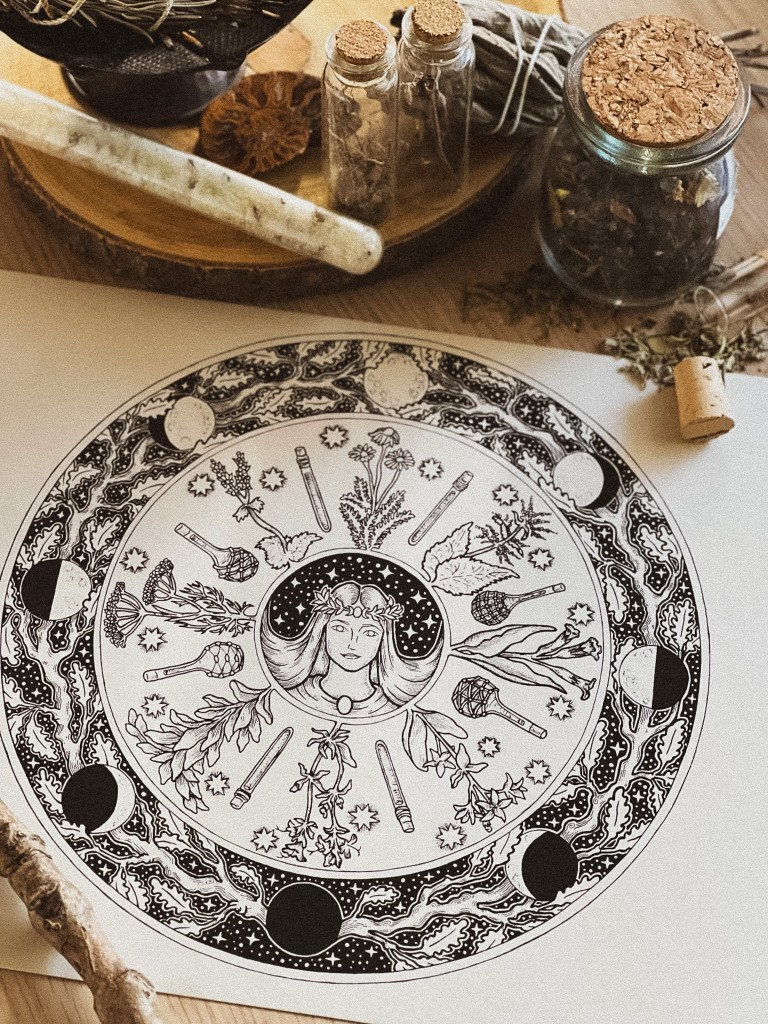
At the core of her practice is the witch archetype, not as a trend or aesthetic, but as a necessary figure of our time. In a world marked by alienation, by disconnection from nature, community, and the self, the witch stands as a bridge. She is the one who listens, who remembers, who moves between world: the living and the dead, the seen and unseen. To stand at the threshold is not an easy place, nor is it meant for everyone.
Her work also questions the modern “witch” identity shaped by consumerism. An image that often replaces inner knowing with external objects. She gently resists this narrative, reminding us that no tool, no product, can replace what already lives within. The power we seek has never left us. It only asks to be remembered.
She is especially drawn to those who exist on the margins; even within communities that claim to be inclusive. Those who feel out of place, who carry something unnamed, something ancient. Through her art, she offers them recognition and a quiet acknowledgment that they are not alone.
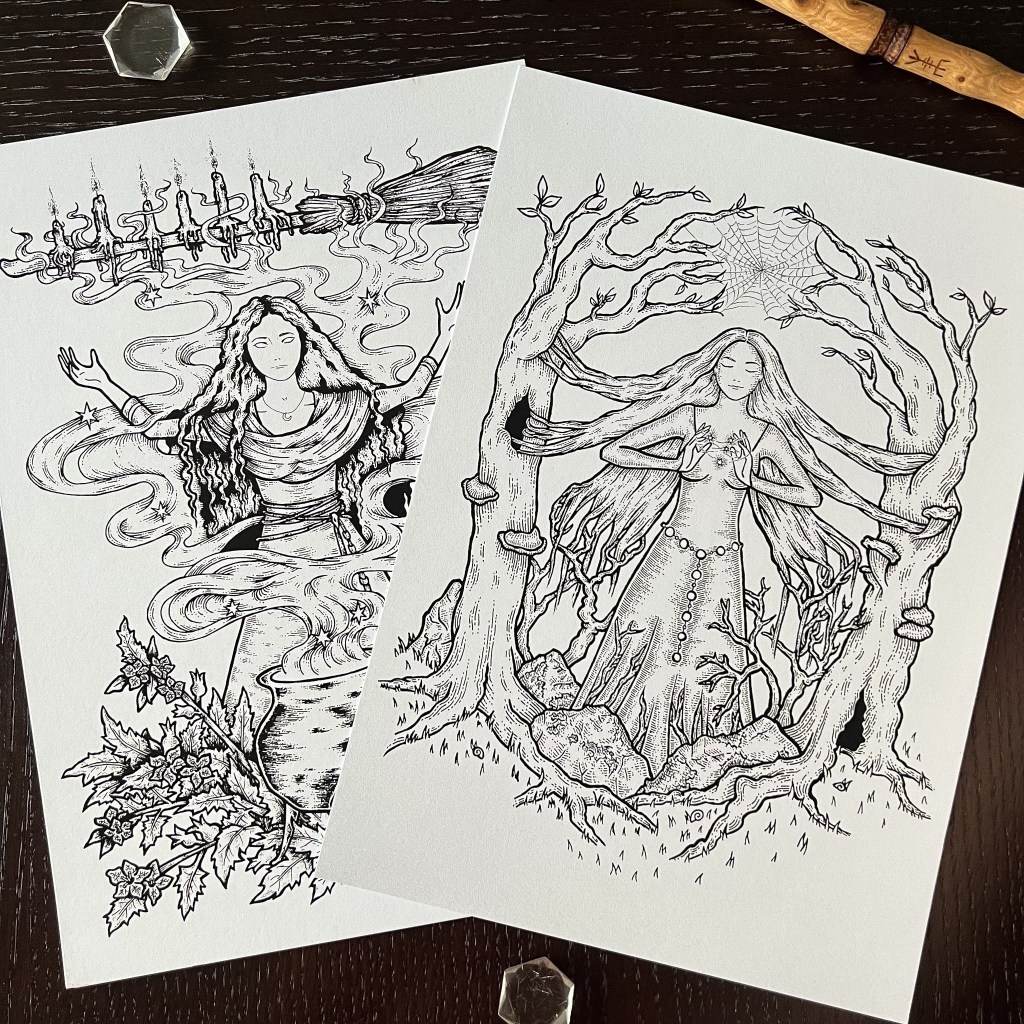
What was your own childhood like?
My childhood unfolded in quiet, inward worlds, filled with art, nature, animals, and books. I was a deeply introverted child, often drifting into my own inner landscapes, where imagination and reality softened into one another.
I started drawing almost as soon as I could hold a crayon (around the age of two). My first lines already carried meaning: sun, trees, clouds, my family (they all looked like potatoes with hands and weird faces). Shapes became my first language, and art quickly revealed itself as the place where I felt most certain, most at home. So I stayed with it.
I was also completely fascinated by Native Americans, their way of life, their connection to nature, their symbolism. I even had a themed Lego set that I was obsessed with, building and rebuilding my own small worlds around it. Looking back, I think I was already drawn to ways of living that felt more connected, more intuitive, more in tune with the natural world.
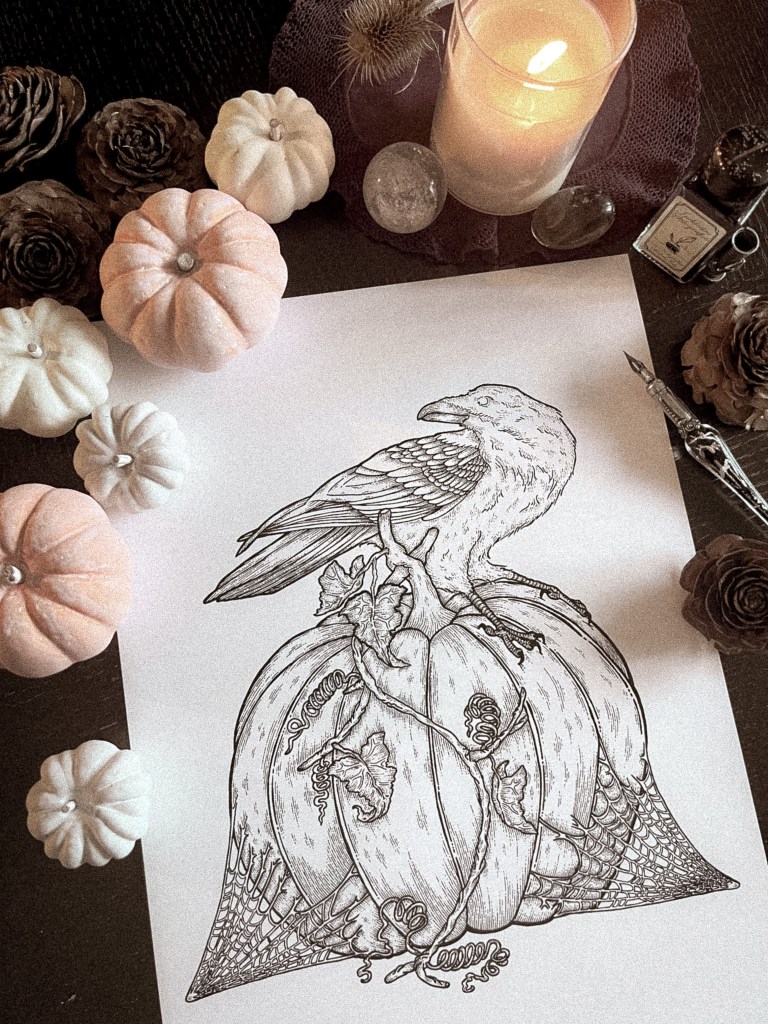
Animals played a huge role in my childhood as well. I spent a lot of time observing them, feeling as if I could understand them in a way that didn’t rely on words. Even if they couldn’t speak, there was a kind of quiet communication there. And in a way, that feeling stayed with me; because as we grow older, we begin to see that animals really do tell us a great deal about the environment we’re in, if we’re willing to pay attention.
I grew up in a family that was open to different expressions of spirituality, where church rituals coexisted with tarot cards and crystals. But it was my nonna (grandma) who became my anchor. With her, I found a rare kind of understanding. A space where I could speak freely about the things I was experiencing, and feel truly heard. That kind of support is something I carry with deep gratitude.
From an early age, my inner world was vivid and intense. My dreams were vivid in a way that felt almost tangible, and I began having visions as well. I developed a sensitivity to things I couldn’t fully explain. I could sense when someone was becoming ill, or when they were nearing the end of their life. By the time I was thirteen, it became overwhelming, and I wanted to close myself off from it completely. But it never truly left.
Even in silence, these experiences continued to move through me, finding their way into my art. Not always directly, but symbolically – through shapes, through colour, through atmosphere. It became its own language, allowing me to express what words never quite could.
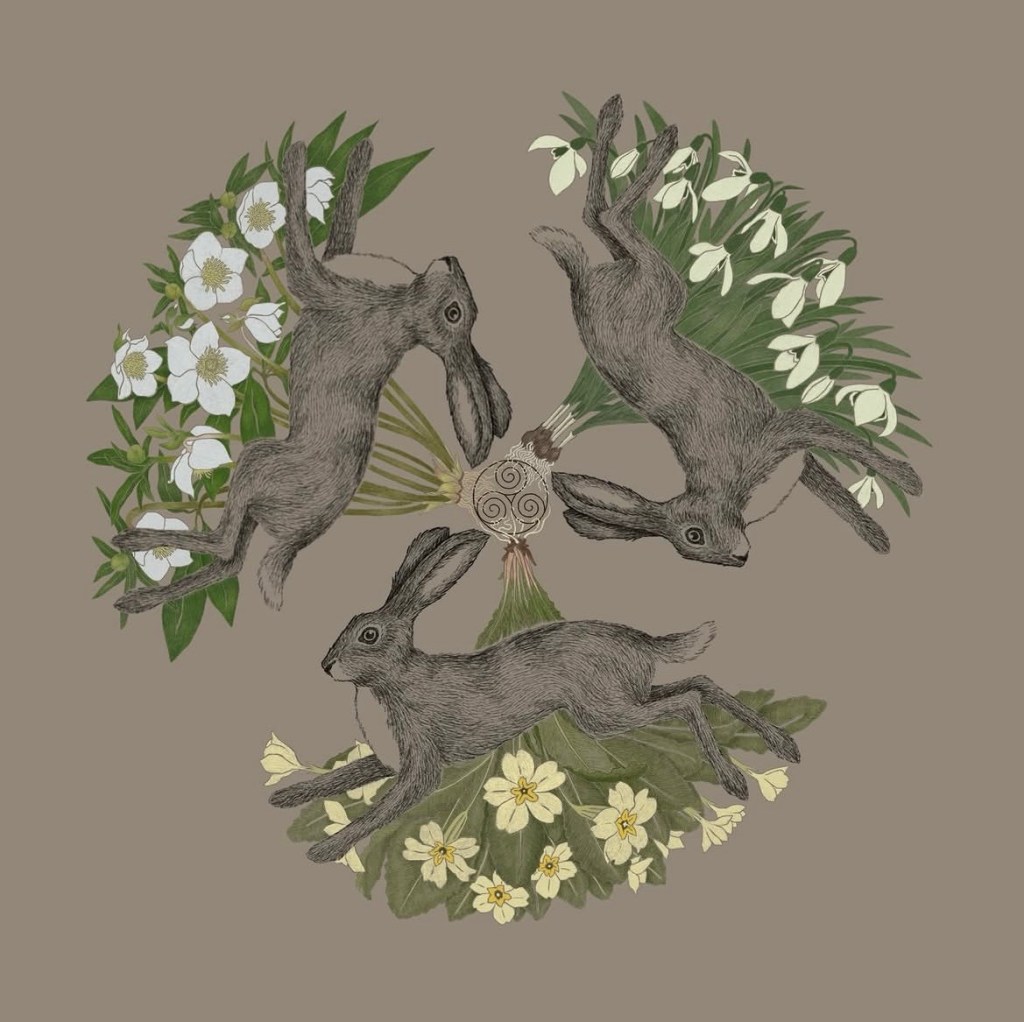
Tell us about Slovenian pagan traditions and urban legends…
Slovenia offers a rich spectrum of urban legends, myths, and folktales that have been carried through generations. But they often have to be read between the lines, as the period of Christianization reshaped, obscured, and in many cases erased parts of them. Much of the original symbolism became intertwined with Christian elements, seen in traditions like solstice bonfires, beliefs about spirits, and the use of protective symbols.
To break free from the sense of inferiority that Slovenian folklore is often burdened with – especially when compared to ancient Greek or Roman mythology – we would need to begin with our education system, which rarely, if ever, teaches us about our own Slovenian or broader Slavic mythological heritage.
In recent years, however, there has been a growing interest in these themes. A significant contribution to this is the work of Pavel Medvešček, particularly his book ‘Iz nevidne strani neba’ (‘From the invisible side of the sky’), which documents testimonies from some of the last people in Slovenia who preserved these old ways of thinking. These accounts come from the region where I live myself, along the magical Soča river.
It is an extraordinary and unique work in our cultural space. One that quietly challenges the long-standing belief that Slovenians had no customs or spiritual frameworks before Christianity. It may not be entirely accurate to call it a “religion” in the structured sense, but rather a way of life; one rooted in coexistence with nature, in attentiveness, and in a deep, intuitive relationship with the world around us.
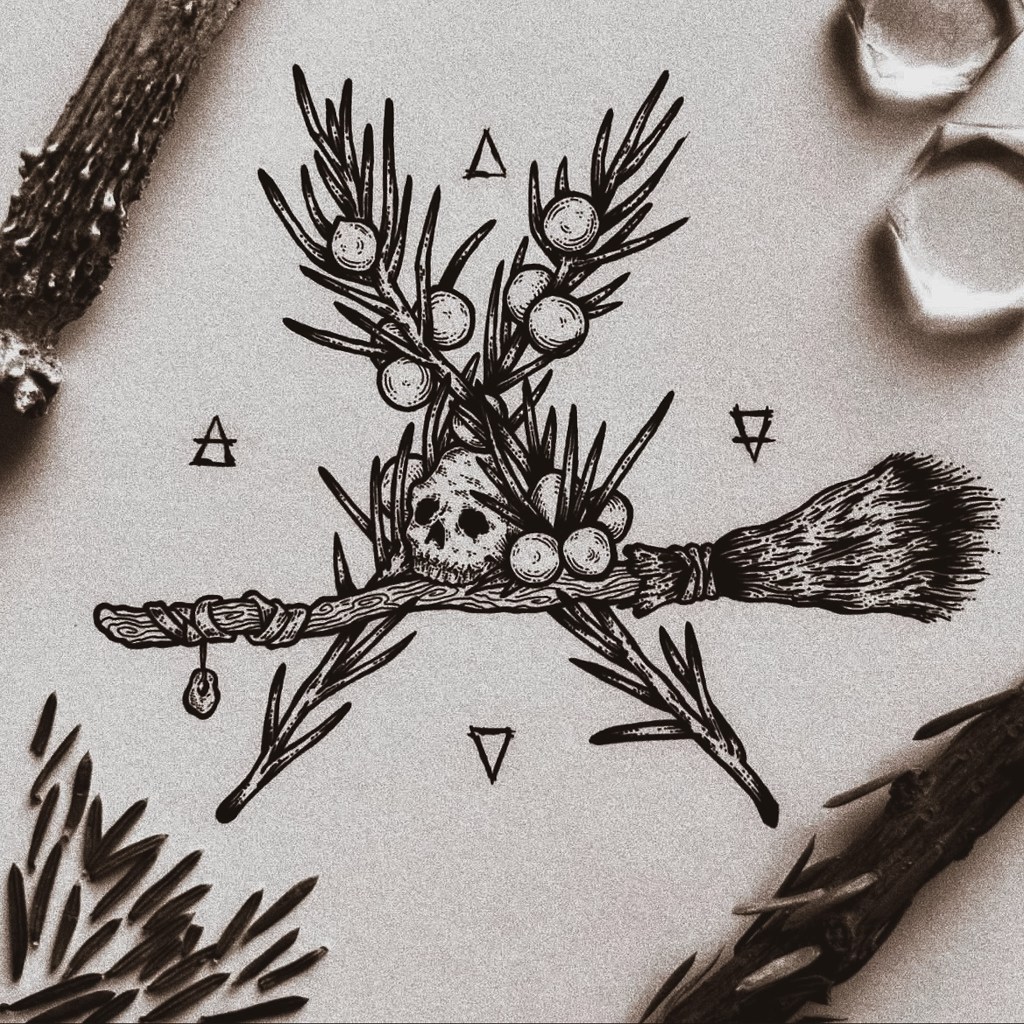
What’s the typical creation process like?
My creation process rarely begins at a desk, in front of a blank sheet of paper. It begins outside, most often in nature. That is where ideas find me.
Many of them emerge during long walks: in the way trees sway in the wind like silent guardians, in moss-covered rocks and tangled roots that feel like hidden homes of small, unseen beings. In the scent of soil and wildflowers, in the way water finds its way through the landscape, or in the way ocean waves break against the rocks. Even the smallest sounds can unfold into entire scenes in my mind, like fragments of a film waiting to be captured.
There is also something about a summer storm gathering that pulls me to the sketchbook.
I find myself wanting to draw most in that charged, restless atmosphere.
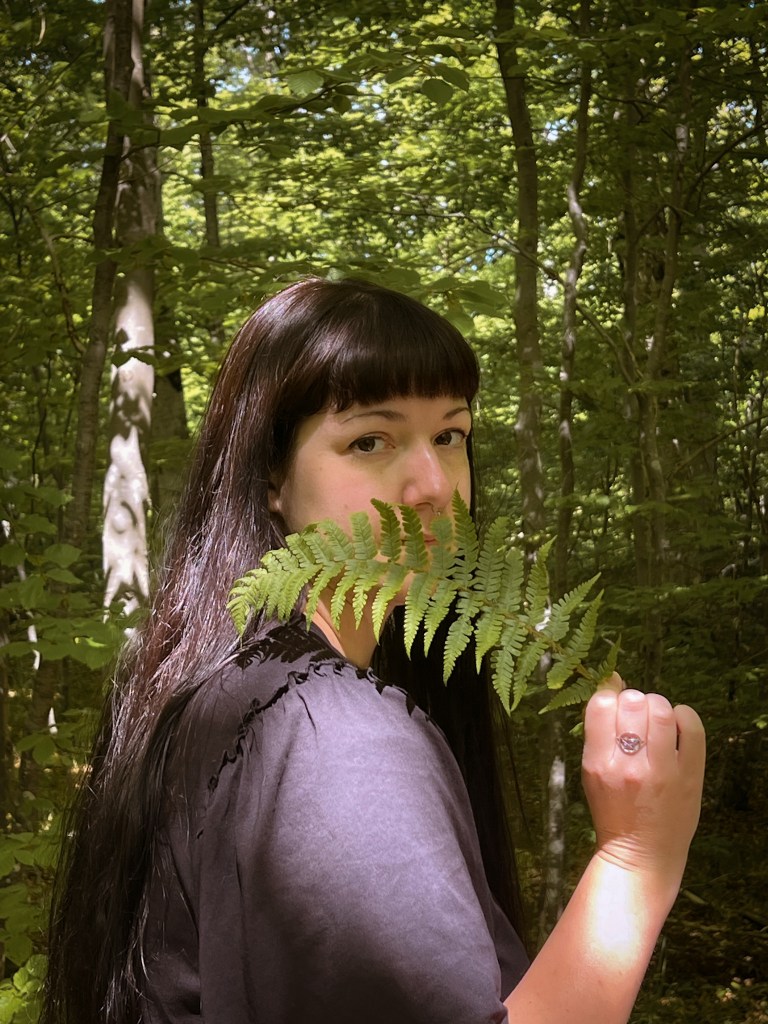
I often take photographs along the way, small fragments to return to later. When I come home, I try to recreate a certain atmosphere (music, candles, fresh air, a cup of tea); something that gently carries the feeling of the outside world back into the room. Then I sketch quickly, almost instinctively, trying not to lose the essence of what I experienced.
From there, I choose the sketch that feels the most alive and begin refining it, moving into ink with more intention and focus.
I have also started working digitally, but I still return to traditional drawing. There is something in the raw contact between pencil and paper that feels irreplaceable to me. Something no technology has fully managed to recreate.
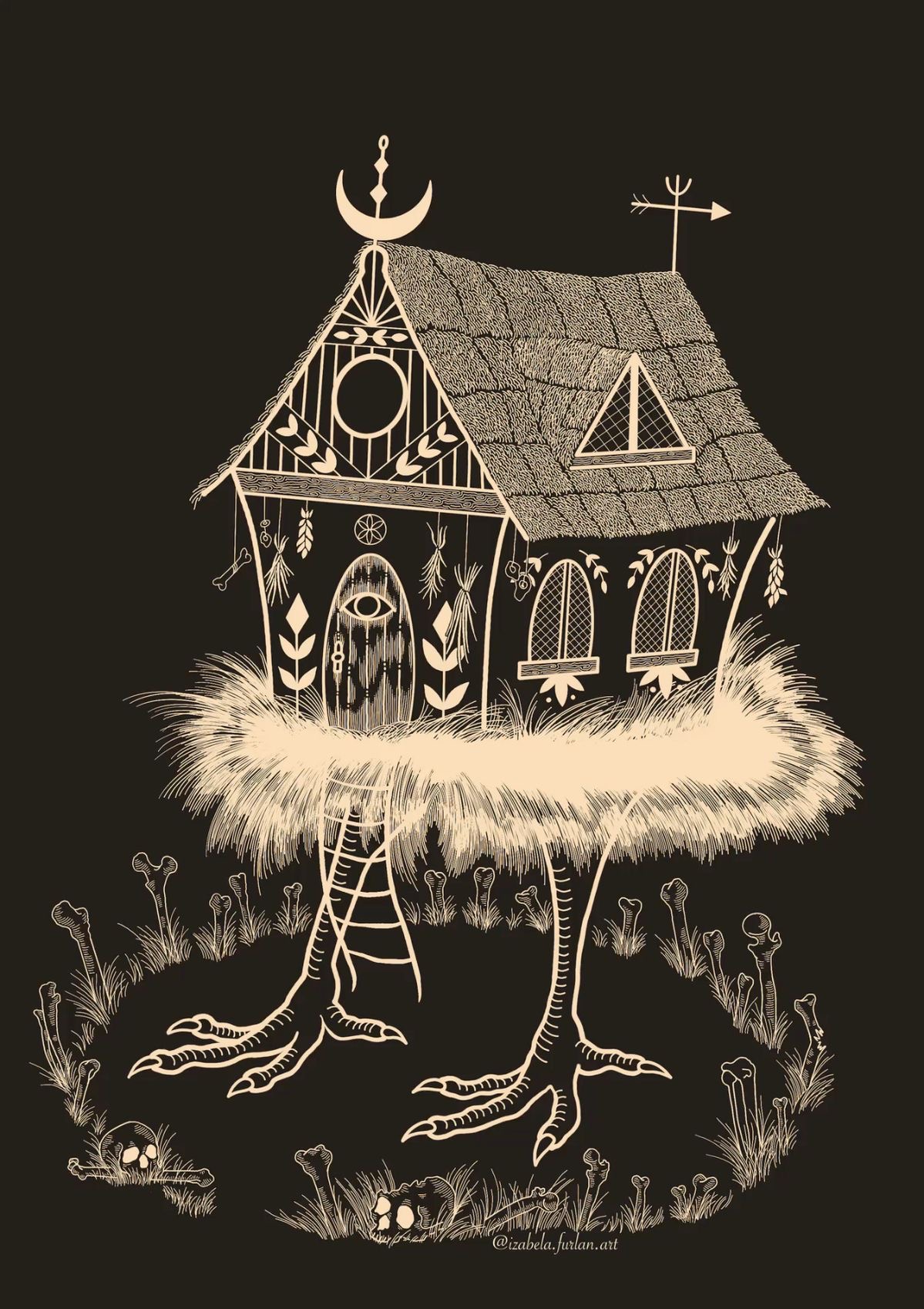
Which zodiac sign are you? Do you think that your sun sign influences your art?
I am a Libra, and I do feel that my sun sign strongly influences my artistic expression. At its core, my work is about restoring balance between what is seen and unseen, feared and understood.
I try to show that there is no need to fear certain symbols, especially those that have been pushed into darkness. Instead, there is power in recognizing them, in understanding them, because they already exist within our collective unconscious. This is also why I am drawn to black and white in my work. It feels like the most honest way to express this balance. Not as opposites in conflict, but as forces that only truly make sense in relation to one another, working together as a whole.
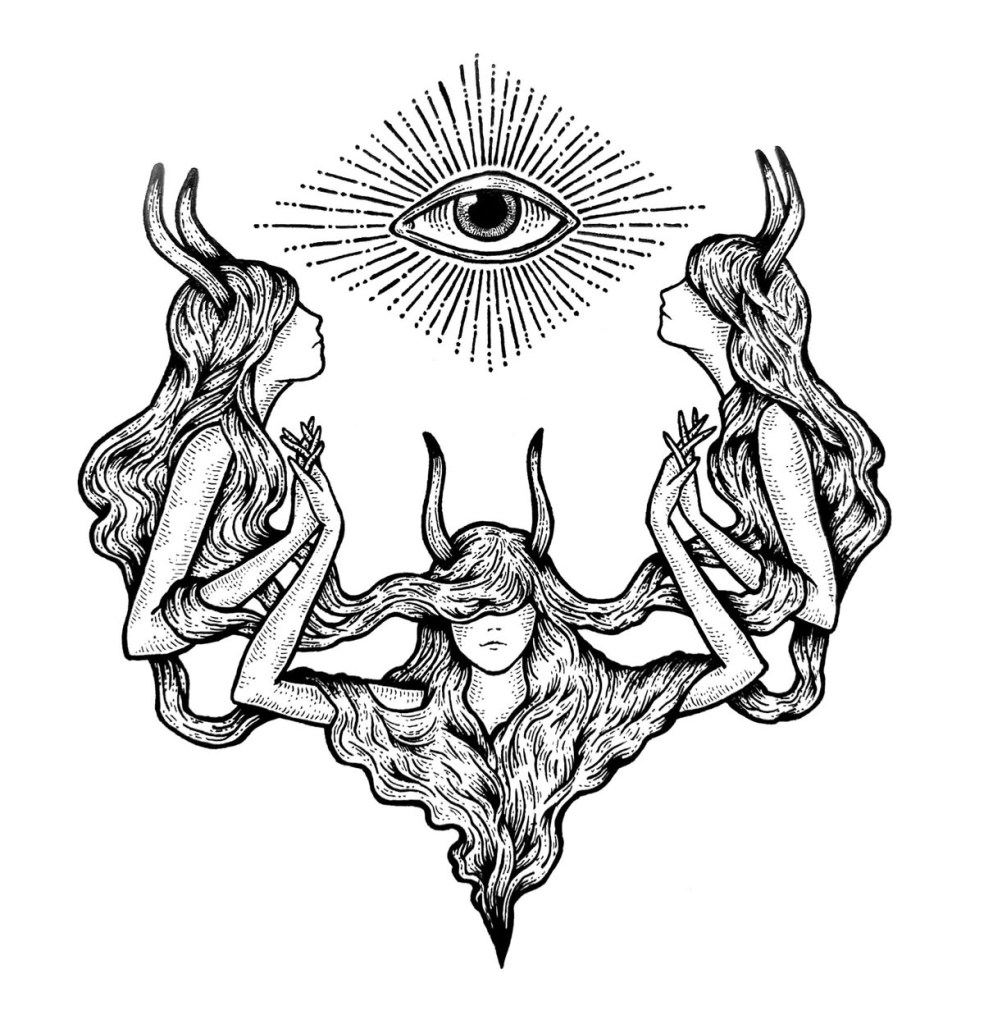
What do you consider to be your first real exposure to art?
I decided quite early in life which direction I wanted to take. It began in kindergarten, when we were reading books and one of the teachers mentioned that drawing could actually be a profession. That moment stayed with me. It was the first time I understood that art could be more than just play. So for me, everything started with book illustration.
In later years, I became especially drawn to painting. Some of the strongest impressions on me came from the works of Frida Kahlo and Amedeo Modigliani. I was also deeply inspired by artists such as Dürer, Rembrandt, and others who brought an incredible level of detail and precision into their work. It was exactly that attention to detail that had a lasting influence on my own drawing style.
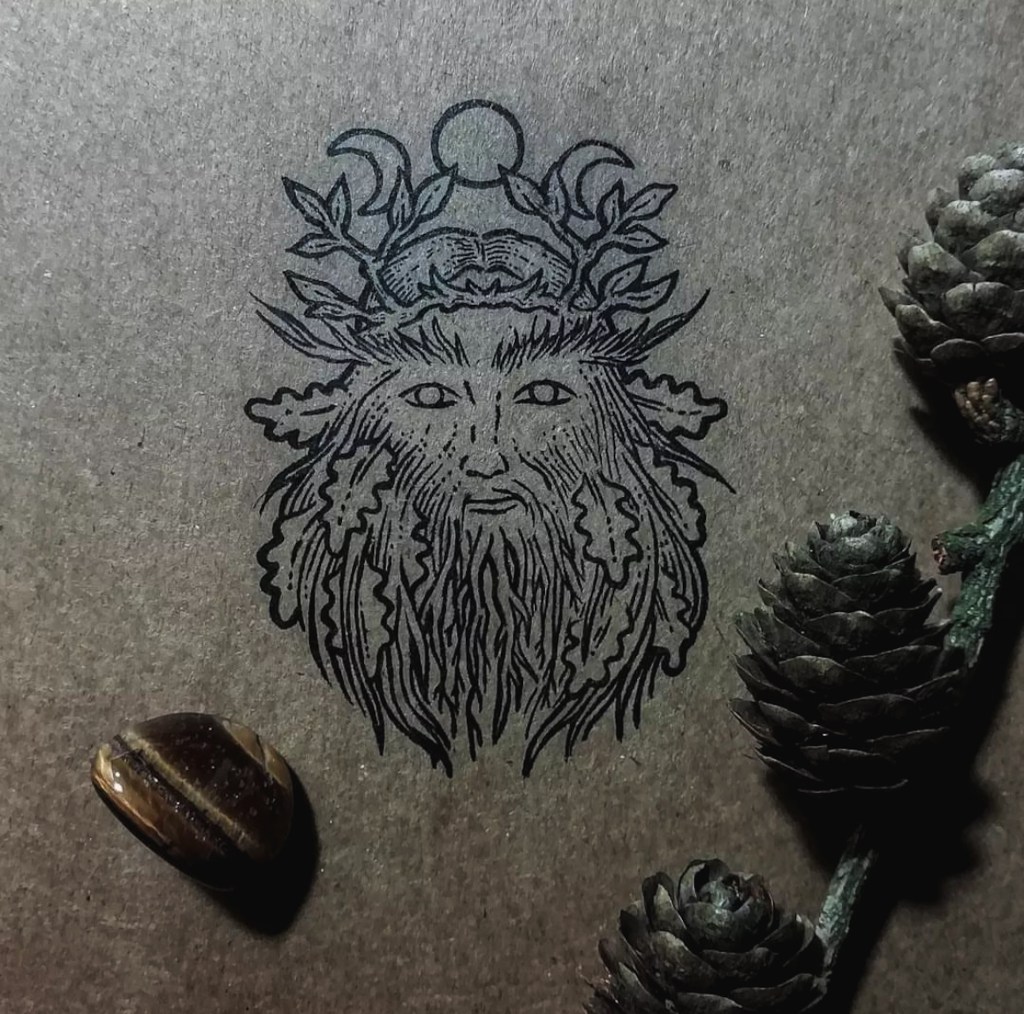
As an artist, what is your biggest frustration?
My biggest frustration is the way deep symbolism and spiritual imagery are often reduced to surface-level aesthetics. I think that capitalism absorbs and flattens everything it touches, including spirituality, symbolism, and art itself. What once held depth, ritual meaning, and a lived connection to nature and the unseen is often repackaged into consumable aesthetics, stripped of its context and turned into a marketable image.
There is a constant pressure to simplify, to make things visually appealing in a way that is easily digestible, but empty of substance. In that process, much of the original power of symbols gets lost. They become decoration rather than language.
I also find it challenging how disconnected we have become from nature and from our own inner world. Much of what I try to express in my work comes from those quiet, intuitive places, and it can sometimes feel like there is less and less space for that kind of sensitivity in today’s pace of life.
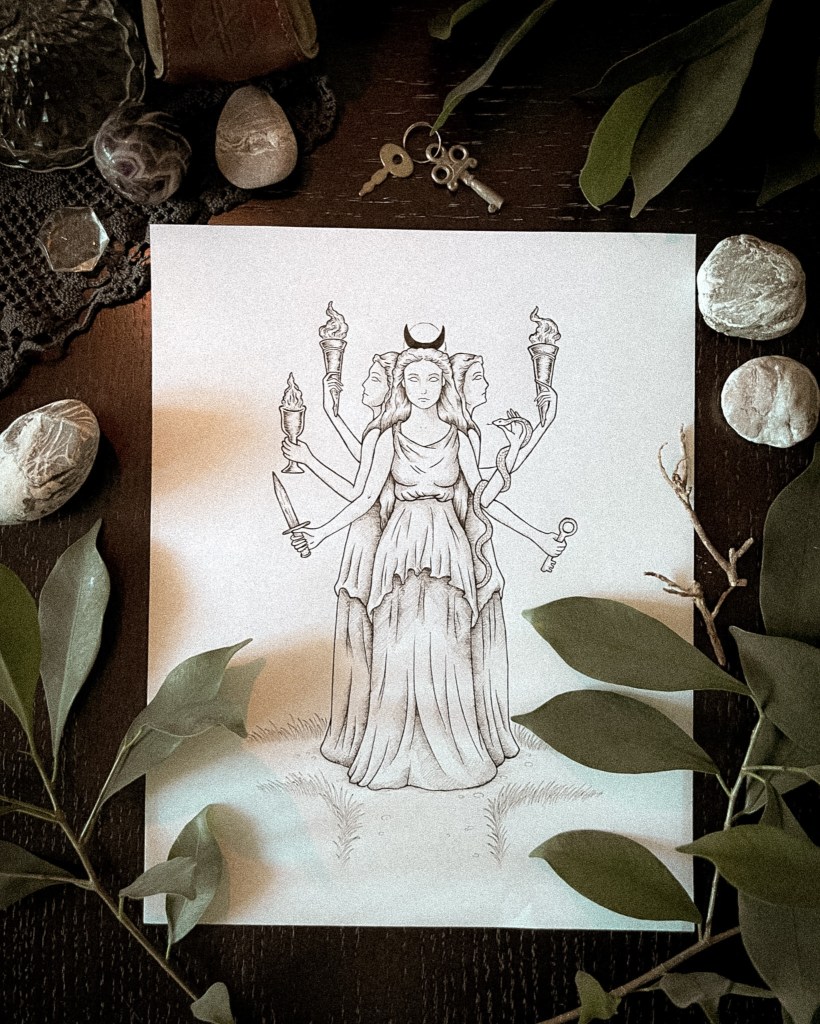
L’arte di Izabela Furlan
Izabela è un’artista slovena, concentrata principalmente sull’illustrazione, trae ispirazione dalla natura, dalla magia e dall’alchimia.
Il suo lavoro si muove negli spazi plasmati dalla memoria generazionale, dal trauma silenzioso e da simboli che sono stati fraintesi, temuti e relegati nell’ombra. Attraverso le sue illustrazioni, cerca di riportare queste immagini – streghe, sigilli, antichi motivi – alla loro essenza originaria, liberandole dalle distorsioni e permettendole di respirare nuovamente nella loro vera natura.
Al centro del suo lavoro si trova l’archetipo della strega, non come trend o estetica, ma come figura necessaria dei giorni nostri. In un mondo segnato dall’alienazione e dalla disconnessione dalla natura, dalla comunità e da sé stessi, la strega funge da ponte. È colei che ascolta, che ricorda, che si muove tra i mondi: tra i vivi e i morti, tra il visibile e l’invisibile. Stare sulla soglia non è facile, e non è per tutti.
Il suo lavoro mette anche in discussione l’identità della “strega” moderna plasmata dal consumismo: un’immagine che spesso sostituisce la conoscenza interiore con oggetti fisici. Izabela si oppone con delicatezza a questa narrazione, ricordandoci che nessuno strumento o prodotto può sostituire ciò che già vive dentro di noi. Il potere che cerchiamo non ci ha mai abbandonati: chiede solo di essere ricordato.
È particolarmente attratta da chi vive ai margini, anche all’interno di comunità che si dichiarano inclusive: da chi si sente fuori posto, da chi porta dentro qualcosa di indefinito, qualcosa di antico. Attraverso la sua arte, offre loro riconoscimento e un silenzioso promemoria del fatto che non sono soli.
Com’è stata la tua infanzia?
La mia infanzia si è svolta in mondi interiori silenziosi, fatti di arte, natura, animali e libri. Ero una bambina profondamente introversa, spesso immersa nei miei paesaggi interiori, dove immaginazione e realtà si sfumavano l’una nell’altra.
Ho iniziato a disegnare quasi appena sono stata capace di tenere un pastello in mano, intorno ai due anni. I miei primi segni avevano già un significato: il sole, gli alberi, le nuvole, la mia famiglia (sembravano tutti patate con le mani e facce strane). Le forme sono diventate il mio primo linguaggio, e l’arte si è rivelata presto il luogo in cui mi sentivo più a casa, più sicura e così non l’ho più lasciata.
Ero anche profondamente affascinata dai nativi americani: dal loro modo di vivere, dal loro legame con la natura, dal loro simbolismo. Avevo persino un set Lego a tema di cui ero ossessionata, con cui costruivo e ricostruivo piccoli mondi. Guardando indietro, credo di essere sempre stata attratta da modi di vivere più connessi, più intuitivi, più in sintonia con la natura.
Anche gli animali hanno avuto un ruolo fondamentale nella mia infanzia. Passavo molto tempo a osservarli, con la sensazione di poterli comprendere senza bisogno di parole. Anche se non potevano parlare, esisteva una forma di comunicazione silenziosa. E in un certo senso quella sensazione è rimasta con me: crescendo, iniziamo a capire che gli animali ci dicono davvero molto sull’ambiente in cui viviamo, se siamo disposti ad ascoltare.
Sono cresciuta in una famiglia aperta a diverse espressioni di spiritualità, dove i riti della chiesa convivevano con tarocchi e cristalli. Ma è stata mia nonna a diventare il mio punto di riferimento. Con lei ho trovato una comprensione rara: uno spazio in cui potevo parlare liberamente di ciò che stavo vivendo e sentirmi davvero ascoltata. Quel tipo di sostegno è qualcosa che porto con me con profonda gratitudine.
Fin da piccola, il mio mondo interiore era vivido e intenso. I miei sogni erano così nitidi da sembrare quasi tangibili, e ho iniziato ad avere anche delle visioni. Ho sviluppato una sensibilità verso cose che non riuscivo a spiegare del tutto: riuscivo a percepire quando qualcuno stava per ammalarsi o si avvicinava alla fine della propria vita. Intorno ai tredici anni è diventato tutto troppo intenso e ho cercato di chiudermi completamente. Ma non se n’è mai andato davvero.
Anche nel silenzio, queste esperienze hanno continuato a fluire dentro di me, trovando spazio nella mia arte. Non sempre in modo diretto, ma simbolico: attraverso forme, colori, atmosfere. È diventato un linguaggio tutto suo, che mi permette di esprimere ciò che le parole non riescono a dire.
Raccontaci delle tradizioni pagane slovene e delle leggende…
La Slovenia offre un ricco patrimonio di leggende urbane, miti e racconti popolari tramandati di generazione in generazione. Tuttavia, spesso devono essere letti tra le righe, poiché il processo di cristianizzazione li ha trasformati, oscurati e in molti casi cancellati. Gran parte del simbolismo originario si è intrecciato con elementi cristiani, visibili in tradizioni come i falò del solstizio, le credenze sugli spiriti e l’uso di simboli protettivi.
Per liberarci dal senso di inferiorità che spesso grava sul folklore sloveno – soprattutto se confrontato con la mitologia greca o romana – sarebbe necessario partire dal sistema educativo, che raramente insegna il nostro patrimonio mitologico sloveno o più in generale slavo.
Tuttavia, negli ultimi anni, si è sviluppato un crescente interesse per questi temi. Il lavoro di Pavel Medvešček ha dato un contributo significativo, in particolare il suo libro Iz nevidne strani neba (“Dal lato invisibile del cielo”), che raccoglie le testimonianze di alcune delle ultime persone in Slovenia che conservavano questi antichi modi di pensare. Questi racconti provengono proprio dalla regione in cui vivo, lungo il fiume Soča.
Si tratta di un’opera straordinaria e unica nel nostro panorama culturale, che mette in discussione l’idea diffusa secondo cui gli sloveni non avessero tradizioni o sistemi spirituali prima del cristianesimo. Forse non si può parlare di “religione” nel senso strutturato del termine, ma piuttosto di uno stile di vita, fondato sulla coesistenza con la natura, sull’attenzione e su una profonda relazione intuitiva con il mondo.
Qual è il tuo processo creativo tipico?
Il mio processo creativo raramente inizia su una scrivania davanti a un foglio bianco. Inizia fuori, il più delle volte nella natura, è lì che le idee mi trovano.
Molte emergono durante lunghe passeggiate: nel modo in cui gli alberi oscillano nel vento come guardiani silenziosi, nelle rocce coperte di muschio e nelle radici aggrovigliate che sembrano nascondigli di piccoli esseri invisibili. Nel profumo della terra e dei fiori selvatici, nel modo in cui l’acqua trova il suo corso nel paesaggio, o in cui le onde del mare si infrangono contro gli scogli. Persino i suoni più piccoli possono dispiegarsi in scene complete nella mia mente, come frammenti di un film in attesa di essere catturati.
C’è anche qualcosa nel raccogliersi di un temporale estivo che mi spinge verso il taccuino da disegno. È proprio in quell’atmosfera carica e irrequieta che sento un forte desiderio di disegnare.
Spesso scatto fotografie lungo il cammino, piccoli frammenti su cui ritorno più tardi. Quando rientro a casa, cerco di ricreare una certa atmosfera — musica, candele, aria fresca, una tazza di tè — qualcosa che riporti delicatamente la sensazione del mondo esterno nella mia stanza. Poi abbozzo rapidamente, quasi d’istinto, cercando di non perdere l’essenza di ciò che ho vissuto.
Da lì, scelgo la bozza che sento più viva e comincio a rifinirla, passando l’inchiostro con maggiore intenzione e concentrazione. Ho iniziato a lavorare anche in digitale, ma continuo a tornare al disegno tradizionale. C’è qualcosa nel contatto diretto tra matita e carta che sento come insostituibile. Qualcosa che nessuna tecnologia è riuscita finora a ricreare davvero.
Di che segno zodiacale sei? Pensi che il tuo segno solare influenzi la tua arte?
Sono Bilancia, e si, sento che il mio segno solare influenza profondamente la mia espressione artistica. Il mio lavoro, nella sua essenza, parla di ristabilire l’equilibrio tra ciò che è visibile e ciò che non lo è, tra ciò che spaventa e ciò che si comprende.
Cerco di mostrare che non c’è bisogno di temere certi simboli, in particolare quelli che sono stati relegati nell’oscurità. Al contrario, c’è potere nel riconoscerli e comprenderli perché esistono già nel nostro inconscio collettivo. È anche per questo che sono attratta dal bianco e nero nel mio lavoro. Mi sembra il modo più onesto per esprimere questo equilibrio. Non come opposti in conflitto, ma come forze che acquistano senso vero solo in relazione l’una all’altra, operando insieme come un tutt’uno.
Qual è stata la tua prima vera esposizione all’arte?
Ho deciso abbastanza presto quale direzione volevo prendere nella vita. Tutto è iniziato all’asilo nido, quando stavamo leggendo dei libri e una delle maestre disse che disegnare poteva essere un lavoro a tutti gli effetti. Quel momento mi ha segnata. È stata la prima volta che ho capito che l’arte poteva essere qualcosa di più del semplice gioco. Quindi, per me, tutto è cominciato con i libri illustrati.
Negli anni successivi, mi sono avvicinata sempre di più alla pittura. Tra le influenze più forti ci sono state le opere di Frida Kahlo e Amedeo Modigliani. Ho trovato grande ispirazione anche in artisti come Dürer, Rembrandt ed altri maestri capaci di trasmettere nelle loro opere un eccezionale senso del dettaglio e della precisione. È stato proprio quell’attenzione ai dettagli ad avere un’influenza duratura sul mio modo di disegnare.
Qual è la tua più grande frustrazione come artista?
La mia più grande frustrazione è il modo in cui il simbolismo profondo e l’iconografia spirituale vengono spesso ridotti a pura estetica superficiale. Penso che il capitalismo assorba e appiattisca tutto ciò che tocca, inclusi la spiritualità, il simbolismo e l’arte stessa. Ciò che un tempo portava in sé profondità, significato rituale e un legame vissuto con la natura e l’invisibile viene spesso reincarnato in estetica consumabile, privato del suo contesto e trasformato in immagine commercializzabile.
C’è una pressione costante a semplificare, a rendere le cose visivamente accattivanti e consumabili, ma svuotato di sostanza. In quel processo, gran parte del potere originario dei simboli va perduta. Diventano decorazione, non più linguaggio.
Trovo complesso anche come ci siamo allontanati dalla natura e dal nostro mondo interiore. Gran parte di ciò che cerco di esprimere nel mio lavoro proviene da quei luoghi quieti e intuitivi, e a volte sembra che ci sia sempre meno spazio per quel tipo di sensibilità nel ritmo frenetico della vita contemporanea.
ENG-ITA TRANSLATION : Claudia Della Palma
IZABELA FURLAN
@izabela.furlan
 Pigiama Magazine ☾